Understanding Tractor Supply's Role in Sustainable Farming
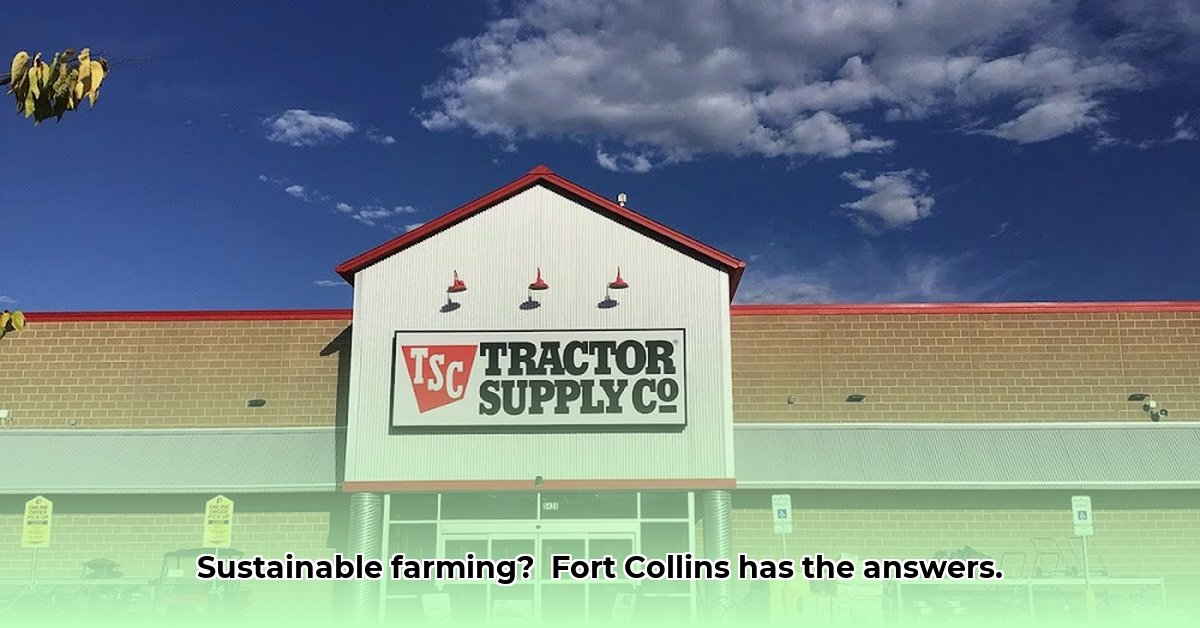
Fort Collins Tractor Supply (FTS) occupies a unique position within the local agricultural landscape. As a readily accessible supplier of farming essentials, it possesses significant potential to contribute to sustainable farming practices. However, a comprehensive assessment of its current contribution requires further investigation. For example, consider chick starter kits as a small-scale example of sustainable farming inputs. While FTS offers a wide array of products – from seeds and fertilizers to tools and animal feed – the extent of its commitment to sustainability remains largely unclear. This article explores the current situation and proposes actionable steps to foster a more sustainable agricultural future in Fort Collins.
Assessing FTS’s Current Sustainability Efforts
FTS’s vast product selection could support sustainable agriculture. Its convenient location benefits local farmers, but critical questions remain unanswered. How does FTS source its products? Are suppliers committed to environmentally responsible practices? What is their approach to packaging and waste management? Does employee training cover environmentally friendly farming techniques? Without detailed information, a complete evaluation of FTS's impact remains impossible. This lack of transparency presents a significant hurdle to understanding its true contribution.
Closing the Gap: Three Pivotal Points
- Transparency is Key: FTS needs to publicly share data on its suppliers’ sustainability practices, packaging choices, and waste management strategies. This openness fosters trust and accountability.
- Product Diversification: Expanding the range of sustainable products offered by FTS is crucial. Prioritizing organic fertilizers, locally sourced seeds, and water-efficient irrigation systems will directly benefit local farmers.
- Collaborative Partnerships: FTS should actively collaborate with local farmers, organizations, and the Fort Collins government to support sustainable agriculture initiatives. This collaborative effort can yield significant environmental benefits.
Actionable Steps for a Sustainable Future
To cultivate a more sustainable agricultural system in Fort Collins, a concerted effort involving multiple stakeholders is needed. The following steps outline a path forward:
1. For Local Farmers and Gardeners:
- Demand Transparency: Actively inquire about the sustainability credentials of products purchased at FTS and other retailers. Support businesses that prioritize transparency.
- Engage with FTS: Provide feedback on product selection and demand for more sustainable options. Your voice is an important catalyst for change.
- Embrace Sustainable Methods: Adopt and promote sustainable farming practices such as crop rotation, water conservation, and integrated pest management.
2. For Fort Collins Tractor Supply:
- Conduct a Sustainability Audit: Perform an independent assessment of your entire supply chain, from sourcing materials to waste management. Publicly release the findings.
- Develop a Clear Sustainability Plan: Set measurable goals and timelines for reducing your environmental footprint. Regularly report your progress to build public confidence.
- Expand Sustainable Product Offerings: Partner with local suppliers of sustainable products, emphasizing organic options and locally sourced materials.
3. For Consumers: * Support Local Farms: Prioritize purchasing produce directly from local farms, whether through CSAs or farmers' markets. This directly supports sustainable agricultural practices. * Educate Yourself: Stay informed about sustainable farming methods. Consider attending workshops or webinars to improve your understanding. * Advocate for Change: Let FTS and other businesses know that sustainable practices are important to you, encouraging them to adopt more environmentally friendly measures.
4. For Local Government: * Incentivize Sustainable Practices: Implement policies such as grants, tax breaks, or other financial incentives to encourage the adoption of sustainable agriculture by local farmers and businesses. * Invest in Infrastructure: Support the development of infrastructure that facilitates water conservation and sustainable farming techniques, such as investing in efficient irrigation systems. * Facilitate Collaboration: Foster collaboration between various stakeholders – farmers, retailers, and consumers – to coordinate efforts and maximize impact.
Finding Sustainable Farming Supplies in Fort Collins
Locating the right supplies for sustainable farming near Fort Collins involves leveraging multiple resources:
- Online Searches: Utilize online search engines (e.g., Google, Bing) to find local suppliers of organic and sustainably produced products.
- LocalHarvest.org: This website connects consumers to local farms and CSAs, providing access to detailed information on their farming methods.
- Farmers' Markets: Attend local farmers' markets to connect directly with producers and inquire about their sustainable practices.
By embracing these strategies and promoting a collaborative approach, Fort Collins can significantly advance its journey toward a more sustainable agricultural ecosystem. The collaborative efforts of local farmers, retailers like FTS, consumers, and local governance will contribute to a healthier and more environmentally responsible food system.